Blog

  • The Power of Data: How Dental Software Can Boost Your Bottom Line

    The Power of Data: How Dental Software Can Boost Your Bottom Line

    Imagine you are the pilot of a commercial airliner. You are responsible for hundreds of passengers and a multimillion-dollar machine. Now, imagine trying to fly that plane without a dashboard. No altimeter, no fuel gauge, no compass, and no speedometer. You are just looking out the window and guessing.

    It sounds terrifying, doesn’t it?

    Yet, this is exactly how thousands of dentists run their practices every single day.

    Many dental practice owners rely on “gut feeling” or intuition to make business decisions. They look at a full waiting room and assume business is booming. They see a busy hygienist and assume the schedule is optimized. They look at the bank balance at the end of the month and hope it’s higher than the previous month.

    But in the modern dental industry, hope is not a business strategy.

    The difference between a struggling clinic and a highly profitable dental empire is rarely clinical skill—often, the clinical skills are identical. The difference lies in Data Intelligence.

    Modern Dental SaaS (Software as a Service) has evolved beyond simple scheduling tools. It has become a powerful analytics engine capable of tracking every heartbeat of your practice. By unlocking the power of this data, you can identify hidden revenue leaks, optimize your team’s performance, and significantly boost your bottom line.

    Here is how your dental software turns raw numbers into profit.


    1. The Difference Between Production and Collection

    The first and most painful lesson data teaches us is that Production ≠ Collection.

    You might have “produced” $50,000 worth of dentistry this month. But if your collections are only $35,000, you have a serious problem. Without software analytics, this gap often goes unnoticed until cash flow becomes a crisis.

    How Data Helps:

    Modern dental software provides a real-time Collections-to-Production Ratio.

    • The Metric: A healthy practice should aim for a 98% collection rate.
    • The Insight: Your software can generate an “Aging Report” instantly. It identifies exactly which insurance claims have been pending for more than 30 days and which patients have outstanding balances.
    • The Action: Instead of waiting for checks to arrive, your front desk can use this data to target specific unpaid accounts. By closing the gap between production and collection by just 5%, a practice producing 40,000 straight to the bottom line.** 800kayearadds∗∗800kayearadds∗∗

    2. Mining the “Unscheduled Treatment” Gold Mine

    Every dental practice is sitting on a buried treasure chest. It is called the Unscheduled Treatment List.

    These are patients who came in for an exam, were diagnosed with a need (a crown, a filling, an implant), and left the office saying, “Let me think about it.” Over time, these files get buried in paper charts or forgotten in the depths of a server.

    How Data Helps:

    Your dental software is a mining tool. You can run a simple query: “Show me all patients with proposed treatment over $500 who have remaining insurance benefits but no future appointment.”

    The Result:

    You might find you have $100,000 or even $500,000 worth of diagnosed treatment sitting dormant in your database.

    • The Action: You don’t need to spend money on Facebook ads to find new patients. You simply use your software to send a targeted email or text campaign to these existing patients, reminding them to use their insurance benefits before the year ends. This is the highest ROI marketing you can possibly do.

    3. optimizing the Hygiene Department (The Backbone of Profit)

    The hygiene department is often considered the loss leader, but data proves it is the engine that drives restorative work. However, do you know your Hygiene Re-Appointment Rate?

    If a hygienist sees 8 patients a day, how many of them leave with their next 6-month recall already booked? Is it 90%? Or is it 50%?

    How Data Helps:

    Software allows you to track key performance indicators (KPIs) for your hygiene team.

    • Metric 1: Recall Percentage. If Hygienist A has a 95% re-booking rate and Hygienist B has a 60% rate, your software flags a training opportunity. Increasing that rate ensures the schedule stays full six months from now.
    • Metric 2: Perio Percentage. Data analytics can show what percentage of hygiene codes are for periodontal therapy vs. standard prophy. If your perio percentage is 5% but the national average for gum disease is much higher, your software is telling you that you are under-diagnosing (and under-billing) for gum disease.

    4. Case Acceptance Rates: The Truth Serum

    This is a metric that hurts the ego but heals the bank account.

    Dr. X presents a $2,000 treatment plan. The patient says no.

    Dr. Y presents a $2,000 treatment plan. The patient says yes.

    Do you know your actual Case Acceptance Rate? Most dentists guess they are at 80-90%. Data usually reveals the truth is closer to 40-50%.

    How Data Helps:

    Dental dashboard software tracks exactly how much treatment was proposed versus how much was accepted and scheduled.

    • The Insight: You can break this data down by procedure type. Maybe you have a 90% acceptance rate for fillings but only 20% for clear aligners.
    • The Bottom Line Impact: This data tells you where you need to improve your presentation skills. If you increase your case acceptance rate by just 10% on high-value items like implants or crowns, you can increase annual revenue by tens of thousands of dollars without seeing a single extra patient.

    5. Marketing Attribution: Stop Burning Money

    Marketing agencies love to confuse dentists with “impressions” and “clicks.” But clicks don’t pay the electric bill. Patients do.

    If you are spending $2,000 a month on Google Ads, $1,000 on social media, and $500 on local mailers, do you know which one is actually working?

    How Data Helps:

    Modern practice management software includes Referral Source Tracking. When a new patient file is created, the source is logged (e.g., “Google,” “Friend,” “Facebook”).

    • The ROI Calculation: The software can calculate the Customer Acquisition Cost (CAC).
      • If Google Ads brought in 10 patients who spent $500 each, you made $5,000.
      • If the Mailer brought in 2 patients who spent $100 each, you lost money.
    • The Action: Data allows you to cut the marketing channels that are bleeding money and double down on the ones that bring in high-value patients.

    6. Reducing No-Shows and Cancellations

    An empty chair is the most expensive item in your office. It costs you overhead (rent, staff wages, utilities) while producing zero revenue.

    How Data Helps:

    Your software can identify trends in cancellations.

    • Trend Analysis: Does the 4:00 PM slot on Fridays always get cancelled? Do patients with a specific insurance plan fail to show up more often?
    • Chronic Offenders: The software can flag patients who have broken two or more appointments in the past.
    • The Action: You can require deposits from chronic offenders or stop offering them prime-time slots. You can also use automated reminders (as discussed in other blogs) to reduce the overall rate. reducing your open time by just 1 hour a week adds up to 50 hours of additional production per year.

    7. Supply and Overhead Management

    While most data focuses on revenue, profit is also about controlling costs. Dental supplies usually eat up 5-7% of overhead. If that number creeps up to 9%, you are losing profit.

    How Data Helps:

    Inventory management integrations in dental software can track usage rates.

    • The Insight: The data might show that you are ordering 20 boxes of composite a month, but based on the number of fillings billed, you should only be using 12.
    • The Action: This alerts you to waste, expiration issues, or even theft. Keeping a tight digital leash on inventory ensures that your overhead stays low as your revenue grows.

    Conclusion: From Dentist to CEO

    There is a shift happening in the dental industry. The most successful practices are no longer just “medical clinics”; they are sophisticated, data-driven businesses.

    Data doesn’t remove the human element of dentistry. In fact, it protects it. By ensuring your practice is profitable and efficient, you reduce stress on your team, you can afford better technology for your patients, and you ensure the longevity of your clinic.

    If your current software acts only as a calendar and a filing cabinet, you are leaving money on the table every single hour of every single day.

    It is time to look at the numbers.

    Invest in a dental software platform that offers robust analytics and reporting. Don’t just work in your business—use data to work on your business.

    Want to see your practice’s potential?

    [Insert Call to Action: Schedule a free data audit with our team and discover hidden revenue in your practice today.]

    Use Arrow Up and Arrow Down to select a turn, Enter to jump to it, and Escape to return to the chat
  • 10 Best Dental Practice Management Software for Small Clinics (2026 Guide)

    10 Best Dental Practice Management Software for Small Clinics (2026 Guide)

    1.jpg

    Running a small dental clinic is a unique challenge. Unlike large Dental Support Organizations (DSOs) that have dedicated IT departments and billing teams, a small clinic often relies on just a few key people to keep everything running. You are the dentist, the CEO, and sometimes the tech support.

    For a solo practitioner or a small team, efficiency isn’t just a goal—it is survival.

    The right Dental Practice Management Software (PMS) can be the difference between a chaotic office and a profitable, stress-free practice. But with so many options on the market, how do you choose? Some systems are too expensive, while others are too complex.

    In this comprehensive guide, we have reviewed the 10 best dental software options specifically for small clinics, focusing on affordability, ease of use, and cloud-based flexibility.


    Why Small Clinics Have Different Software Needs

    Before we dive into the list, it is important to understand why “small clinic” software is different from “enterprise” software.

    If you have 1–3 chairs, you don’t need the complex corporate reporting tools that a 50-location chain needs. Instead, you need:

    1. All-in-One Functionality: You don’t want to pay for separate software for billing, scheduling, and X-rays.
    2. Low Upfront Costs: Avoid massive server fees or licensing costs.
    3. Ease of Training: Your front desk staff should be able to learn it in a few days, not weeks.
    4. Remote Access: The ability to check the schedule or emergency files from home.

    The Top 10 Dental Software for Small Practices

    Here is our curated list of the top performers in the industry this year.

    1. Open Dental (Best Overall for Customization & Value)

    Type: Server-based (with Cloud hosting options)

    Open Dental is widely considered the “people’s champion” of dental software. It is open-source, meaning it is highly flexible and integrates with almost any third-party sensor, camera, or clearinghouse.

    • Key Features: Robust reporting, e-prescribing, and complete control over your database. It has a massive community of users who share custom query codes.
    • Why it’s great for small clinics: It is incredibly affordable compared to the big legacy names. Because it is open architecture, you aren’t locked into buying expensive proprietary sensors (like you might be with Dentrix or Eaglesoft).
    • The Trade-off: The user interface looks a bit dated (resembling Windows 98), but it is lightning fast.

    2. Curve Dental (Best Cloud-Based Interface)

    Type: 100% Cloud-based

    If you want a modern, sleek, and beautiful user experience, Curve Dental is a top contender. It was built for the cloud from day one, not adapted from an old server system.

    • Key Features: “Curve Hero” offers drag-and-drop scheduling, built-in digital imaging, and excellent cybersecurity features. The dashboard is colorful and easy to read.
    • Why it’s great for small clinics: There are no servers to buy or maintain. You can access your schedule from your iPhone while at home. It reduces your IT costs significantly.
    • The Trade-off: It carries a higher monthly subscription fee than some others, but you save on hardware costs.

    3. Dentrix Ascend (Best for Reliability & Familiarity)

    Type: Cloud-based

    Dentrix has been the market leader for decades. “Ascend” is their modern cloud version. Because so many dental assistants and office managers have trained on Dentrix, hiring staff who already know how to use it is easy.

    • Key Features: A natural user interface that mimics the workflow of a dental office. It includes voice-activated perio charting and insurance management tools.
    • Why it’s great for small clinics: It is backed by Henry Schein, ensuring stability. It offers a “hassle-free” experience where updates and backups happen automatically.
    • The Trade-off: It can be on the expensive side for a brand-new startup.

    4. CareStack (Best All-in-One Solution)

    Type: Cloud-based

    CareStack aims to replace every other subscription you have. It isn’t just a practice management system; it is also a patient communication tool, a reputation management tool, and a marketing platform.

    • Key Features: Centralized billing, patient portal, text/email reminders, and online booking are all included natively.
    • Why it’s great for small clinics: You don’t need to pay extra for third-party apps like Lighthouse 360 or RevenueWell—it’s all built-in. This simplifies your monthly bills.
    • The Trade-off: Because the software does so much, the learning curve can be steep for new staff.

    5. ACE Dental (Best for Startups on a Budget)

    Type: Hybrid (Server or Cloud)

    ACE Dental is designed specifically with the cost-conscious dentist in mind. It is simple, effective, and gets the job done without unnecessary bells and whistles.

    • Key Features: 3D restorative charting, appointment recall systems, and paperless forms.
    • Why it’s great for small clinics: It is one of the most affordable options on this list. You can typically choose between a low monthly subscription or purchasing the license upfront to avoid monthly fees.
    • The Trade-off: The interface is not as modern as Curve or CareStack, and it lacks some advanced automation features.

    6. DentiMax (Best Value for Sensors & Software)

    Type: Cloud or Server

    DentiMax consistently wins awards for being budget-friendly while offering a “feature-rich” experience. They are also famous for their X-ray sensors, and the software integrates perfectly with them.

    • Key Features: Mirroring clinical notes (making charting fast), FDA-approved sensor integration, and solid ledger systems.
    • Why it’s great for small clinics: The pricing is very competitive. If you need both software and sensors, bundling them with DentiMax can save a startup thousands of dollars.
    • The Trade-off: The cloud version can sometimes feel slightly slower than a native server app depending on your internet connection.

    7. Tab32 (Best for Patient Engagement)

    Type: Cloud-based

    Tab32 is a cloud-native platform that focuses heavily on the “Patient Experience.” It markets itself as a complete patient-first platform rather than just a digital filing cabinet.

    • Key Features: Built-in two-way texting, online booking, and a very modern, tablet-friendly interface. It uses a unique architecture that makes it very fast.
    • Why it’s great for small clinics: It reduces the need for front-desk phone time by automating communication.
    • The Trade-off: The robust feature set might be overkill for a dentist who just wants very simple charting.

    8. iDentalSoft (Best for Going Paperless)

    Type: Cloud-based

    If your goal is to run a 100% paperless office from day one, iDentalSoft is a strong choice. It allows you to run your practice from an iPad or tablet easily.

    • Key Features: Native patient portal, electronic claims, and flexible payment processing.
    • Why it’s great for small clinics: It offers freedom of choice regarding data hosting (cloud or private server) and flexible backup options. It is designed to be lightweight and mobile.
    • The Trade-off: Customer support response times can vary compared to the giant corporate support teams of Dentrix or Eaglesoft.

    9. Eaglesoft by Patterson (Best for Clinical Features)

    Type: Server-based

    Eaglesoft is a titan in the industry. While it is traditionally server-based, it offers some of the most advanced clinical charting and imaging integrations available.

    • Key Features: SmartDoc (patient history at a glance), advanced imaging integration, and highly detailed scheduling.
    • Why it’s great for small clinics: If your focus is heavy on clinical excellence and complex restorative procedures, Eaglesoft’s charting is unmatched.
    • The Trade-off: It is server-based. This means you are responsible for your own backups, server maintenance, and security.

    10. Planet DDS / Denticon (Best for Future Growth)

    Type: Cloud-based

    While Denticon is famous for serving large multi-location groups (DSOs), it is also a great choice for a small clinic with big ambitions. If you plan to open a second location in 2 years, start here.

    • Key Features: Centralized data (access patient records from any location) and advanced analytics/reporting.
    • Why it’s great for small clinics: It is future-proof. You won’t need to switch software when you grow from 1 location to 3 locations.
    • The Trade-off: It is complex. For a single doctor who plans to stay small forever, it might be too much “horsepower.”

    Buying Guide: How to Choose the Right One?

    Selecting software is a 5-to-10-year commitment. Switching data later is painful and expensive. Here is a checklist for small clinic owners to help you decide:

    1. Cloud vs. Server: The Big Decision

    • Cloud (SaaS): You pay a monthly fee. You can access data from home. No server maintenance is required. Recommended for most small modern clinics.
    • Server (On-Premise): You buy a license and a physical server tower. You control your data physically, but you must pay for IT support and backups.

    2. Integration Capabilities

    Does the software play nicely with your X-ray sensors (Schick, Dexis, etc.)? Always ask for a demo to see the imaging integration in action. If you have to open a separate program to view an X-ray, it will slow you down.

    3. Hidden Costs

    The monthly price isn’t the only price. Ask about:

    • Data Conversion Fees: If moving from old software, how much to move the data?
    • Training Costs: Do they charge for the initial setup training?
    • Support Fees: Is tech support included, or is it an extra $100/month?
    • Add-ons: Do you have to pay extra for text reminders or e-prescriptions?

    4. The “Front Desk” Test

    Don’t just judge the software by the clinical charting. Have your front desk manager test the scheduling and billing features. If it takes 10 clicks to book an appointment, it will slow your practice down. The front desk uses the software more than anyone else—make sure they like it.


    Conclusion: Which Software Wins?/

    There is no single “best” software, but there is a best software for you.

    • For the budget-conscious startup: Look at Open Dental or ACE Dental.
    • For the tech-savvy, modern aesthetic: Go with Curve Dental.
    • For robust clinical reliability: Stick with Dentrix Ascend or Eaglesoft.
    • For all-in-one automation: Choose CareStack.

    Investing in the right practice management software is an investment in your peace of mind. The right tool will reduce missed appointments, speed up insurance claims, and let you focus on what you do best—treating patients.


    Frequently Asked Questions (FAQ)

    Q: Is it difficult to switch dental software?

    A: It can be challenging. “Data Conversion” is the process of moving patient history from your old system to the new one. While demographics usually transfer fine, images and appointment history can sometimes be tricky. Always discuss the “Migration Plan” with your new vendor.

    Q: Is cloud software secure for patient data?

    A: Yes. In fact, reputable cloud dental software is often more secure than a local server. Cloud providers use enterprise-grade encryption and automatic backups. A local server in your closet is vulnerable to theft, fire, or ransomware attacks.

    Q: How much does dental software cost?

    A: Prices range widely. A basic server license might cost a one-time fee of

    3,000+,whilecloudsubscriptionsrangefrom∗∗3,000+,whilecloudsubscriptionsrangefrom∗∗
    

    150 to $500+ per month** depending on the number of providers and features included.

    Q: Do I need fast internet for cloud software?

    A: Yes. If your clinic has spotty internet, cloud software will frustrate you. Ensure you have a high-speed business connection and a backup option (like a 5G hotspot) just in case.

  • 7 Signs It’s Time to Upgrade Your Dental Software

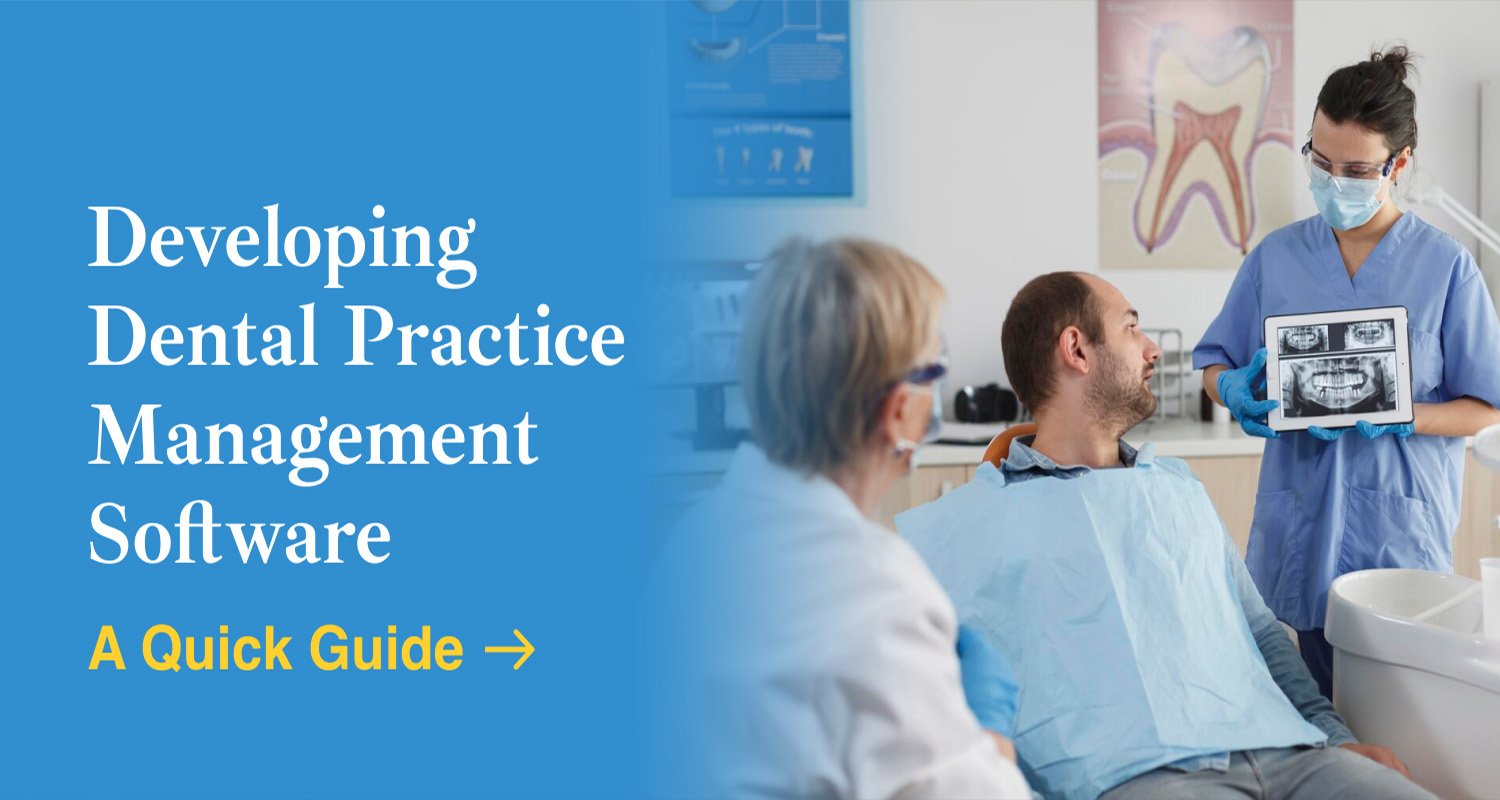
    7 Signs It’s Time to Upgrade Your Dental Software

    EasyRx_Jan24_Blog-Open-Graph.png

    In the world of dentistry, technology moves fast. You likely invest thousands of dollars into the latest intraoral scanners, digital X-ray sensors, and 3D milling machines to ensure your patients receive the best clinical care possible.

    But when was the last time you looked critically at the “brain” of your practice—your Practice Management Software (PMS)?

    For many dental clinics, the software is the forgotten piece of the puzzle. It is common to see a state-of-the-art clinic running on a software system that looks like it was designed in 1998. It’s familiar, it “sort of” works, and the thought of changing it feels like a nightmare.

    However, holding onto outdated software isn’t just an inconvenience; it is a silent revenue killer. It slows down your front desk, frustrates your staff, and exposes your patient data to security risks.

    If you have been on the fence about making a switch, this guide is for you. Here are the 5 undeniable signs that it is time to retire your legacy system and upgrade to modern dental software.


    Sign #1: You Are Experiencing the “Spinning Wheel of Death” (Sluggish Performance)

    We have all been there. You are at the front desk, a patient is standing in front of you waiting to pay their bill or schedule their next recall, and the computer screen freezes. You smile apologetically and say, “Sorry, the system is just thinking…”

    In a high-volume dental practice, speed is everything.

    The Daily Impact

    If your software takes 10 seconds to load a patient chart or crashes when you try to open the schedule, you are losing hours of productivity every week.

    • The Front Desk Bottleneck: When the software lags, check-in and check-out lines get longer. This creates a chaotic atmosphere in the waiting room.
    • Clinical Delays: If a hygienist has to wait for the periodontal chart to load, it cuts into the time they could be spending on patient education or treatment.

    Why This Happens

    Legacy, server-based software often becomes bloated over time. As your database grows (more patients, more images, more history), the local server struggles to process the data.

    The Upgrade Solution: Modern cloud-based software runs on high-speed data centers (like Amazon AWS or Microsoft Azure). It is designed to handle massive amounts of data instantly. If you can stream a movie on Netflix without buffering, you should be able to load a patient chart instantly.


    Sign #2: Your Systems Don’t Talk to Each Other (The “Frankenstein” Effect)

    Does your office feel like it is running five different businesses at once?

    1. One software for scheduling and billing.
    2. A separate software for X-rays and imaging.
    3. A third-party service for patient text reminders (like Lighthouse or RevenueWell).
    4. Another tool for reputation management or reviews.

    This is what we call the “Frankenstein” Practice. You have cobbled together different pieces of technology, hoping they work together.

    The Integration Nightmare

    When you use disparate systems, you rely on “bridges” to connect them. When a bridge breaks (which happens often after a Windows update), your X-rays might not sync with the patient chart.

    • Double Entry: Your staff often has to type patient information into the PMS and then type it again into the imaging software. This doubles the workload and doubles the chance of human error.
    • Cost Accumulation: You might be paying a monthly fee for your PMS, plus $300/month for a reminder service, plus support fees for your imaging bridge.

    The Upgrade Solution: Modern “All-in-One” dental software platforms handle everything. Scheduling, imaging, billing, and patient communication are all native to one system. No bridges, no double entry, and usually, a lower total monthly cost.


    Sign #3: You Are Tethered to the Office (No Remote Access)

    Imagine this scenario: It is Sunday morning. You are enjoying coffee with your family. Your cell phone rings. It is a long-time patient, and they are in severe pain. They need a prescription or advice.

    To help them, you need to see their X-rays or check their medication history.

    The Server-Based Limitation

    If you are using older, server-based software, you have two bad options:

    1. Drive all the way to the clinic, unlock the doors, and log in to the computer physically.
    2. Use a clunky remote desktop tool (like TeamViewer or LogMeIn) that is slow, insecure, and requires the office computer to be left on 24/7.

    In a post-pandemic world, flexibility is not a luxury; it is a requirement. If your office manager cannot do billing from home during a snowstorm, or if you cannot check your schedule for tomorrow while on vacation, your software is limiting your lifestyle.

    The Upgrade Solution: Cloud-based dental software allows you to log in securely from any device with a browser. You can check X-rays on your iPad, audit the schedule from your laptop at home, or manage emergency calls from your smartphone.


    Sign #4: You Fear for Your Data Security (Ransomware Anxiety)

    This is the most critical—and scary—sign on the list.

    Dental practices are prime targets for cybercriminals. Why? Because you hold valuable data (Social Security numbers, credit cards, health history), but unlike a bank, you likely don’t have a dedicated cybersecurity team.

    The Risk of Local Servers

    If your data lives on a server in a closet in your office:

    • Ransomware: If an employee accidentally clicks a phishing email, a virus can lock your entire server. Hackers will demand thousands of dollars to unlock your patient files.
    • Physical Disaster: What happens if there is a fire? A flood? Or if someone breaks in and steals the server tower?
    • Backup Failures: Are you sure your backup drive is working? Many dentists rely on manual backups (rotating hard drives) that often fail without anyone noticing until it is too late.

    The HIPAA Liability

    If your server is breached and unencrypted patient data is stolen, you face massive HIPAA fines and a destroyed reputation.

    The Upgrade Solution: Reputable SaaS (Software as a Service) providers utilize enterprise-grade security. Your data is encrypted, stored in redundant off-site locations, and backed up automatically every few seconds. They spend millions on cybersecurity so you don’t have to.


    Sign #5: You Are Paying IT “Support” Fees Just to Keep Running

    Take a look at your expenses for the last 12 months. How much did you spend on “IT Support”?

    Old software requires hardware maintenance. You have to pay an IT guy to:

    • Install server updates.
    • Fix network issues.
    • Troubleshoot why the printer isn’t talking to the computer.
    • Upgrade the server hardware every 3–5 years (which can cost $5,000 to $10,000).

    The Sunk Cost Fallacy

    Many dentists refuse to upgrade software because they think, “I already own this software license, why should I pay a monthly fee for cloud software?”

    This is the sunk cost fallacy. You “own” the license, but you are paying a fortune in maintenance, support contracts, and IT bills. When you add up the cost of hardware upgrades, antivirus subscriptions, and emergency IT visits, “free” legacy software is actually very expensive.

    The Upgrade Solution: With cloud software, the “IT” is included. Updates happen automatically in the background (like Facebook or Gmail). You never have to pay for a server upgrade again because you don’t need a server.


    The Fear of Change: Why You Haven’t Switched Yet

    If you nodded your head at these 5 signs, you know you need to switch. So, why haven’t you?

    Usually, it comes down to one thing: The fear of the migration process.

    It is a valid fear. Changing software is disruptive. You have to retrain your staff, transfer data, and learn a new workflow. It feels easier to just stick with the “devil you know.”

    However, the pain of staying the same is starting to outweigh the pain of change.

    • Your staff is burnt out from manual tasks.
    • Your patients are annoyed by the lack of digital convenience.
    • Your data is at risk.

    Leading software companies today have dedicated “Onboarding Teams.” They handle the heavy lifting of data conversion (moving your patient info and images) and provide extensive training to ensure your team is confident before you go live.


    Conclusion: Future-Proof Your Practice

    Your dental practice management software is the heartbeat of your business. If it is weak, slow, or disconnected, the whole body suffers.

    Upgrading your software is not just about getting new features; it is about:

    1. Efficiency: Doing more work in less time.
    2. Security: Sleeping soundly knowing your data is safe.
    3. Experience: Giving your patients the modern, digital experience they expect.

    Don’t wait for a server crash or a ransomware attack to force your hand. Evaluate your options today. Look for cloud-based platforms that offer all-in-one solutions. The transition might seem daunting, but once you are on the other side, you will wonder how you ever managed without it.


    Frequently Asked Questions (FAQ)

    Q: Will I lose my patient data if I switch software?

    A: No. Data migration technology has advanced significantly. Most reputable software companies can transfer your patient demographics, insurance info, treatment history, and clinical notes. However, always ask about “image conversion” specifically to ensure X-rays transfer over correctly.

    Q: How long does it take to learn new software?

    A: It depends on the system, but modern cloud software is designed to be “user-friendly” (similar to smartphone apps). Most teams feel comfortable with the basics within 3 to 5 days of training.

    Q: Is cloud software expensive?

    A: Cloud software usually operates on a monthly subscription model (SaaS). While this looks like a new monthly bill, you must subtract the money you save on IT support, server hardware, backup services, and separate third-party apps. Often, the costs break even or you save money.

    Q: Can I keep my old X-ray sensors?

    A: Usually, yes. Most major software platforms support standard sensors like Schick, Dexis, and Carestream using TWAIN drivers. Always verify compatibility during your demo

  • Top 7 Dental SaaS Trends to Watch in 2026

    Top 7 Dental SaaS Trends to Watch in 2026

    The dental industry is no longer just about drills, fillings, and manual charts. We are currently witnessing a massive digital transformation, driven by the rapid evolution of Software as a Service (SaaS). As we move into 2026, the “digital-first” dental practice is no longer a luxury—it is the standard.

    For decades, dental offices were hindered by bulky on-premise servers, fragmented data, and manual administrative tasks. Today, the cloud is erasing those boundaries. Dental SaaS is empowering clinicians to work faster, diagnose more accurately, and provide a patient experience that rivals the convenience of modern banking or e-commerce.

    If you are a practice owner, a dental technologist, or a DSO (Dental Support Organization) executive, staying ahead of the curve is vital. Here are the top 7 Dental SaaS trends that will define the landscape in 2025.


    1. The Integration of Diagnostic AI (The Second Opinion)

    Perhaps the most exciting trend of 2026 is the deep integration of Artificial Intelligence (AI) directly into practice management SaaS platforms. In previous years, AI diagnostic tools were separate programs that dentists had to open alongside their charts. In 2025, AI is becoming a native feature.

    How it works:

    SaaS platforms are now partnering with AI companies (like Pearl or Overjet) to provide real-time X-ray analysis. As soon as a bitewing or periapical X-ray is uploaded to the cloud, the AI automatically highlights potential decay, bone loss, or abscesses.

    The Impact:

    • Increased Case Acceptance: Patients are more likely to agree to a treatment plan when they see an objective, AI-generated highlight on their X-ray.
    • Standardization of Care: AI ensures that no small cavity is missed, regardless of how tired the clinician might be at the end of a long day.

    2. Hyper-Automation in Revenue Cycle Management (RCM)

    Billing and insurance claims have traditionally been the biggest headache for dental front offices. In 2025, SaaS providers are moving toward “Hyper-Automation” to handle the entire lifecycle of a claim without human intervention.

    What’s changing:

    Modern SaaS tools are using automated “bots” to verify insurance eligibility in real-time, long before the patient walks through the door. If a claim is denied, the software can automatically identify the missing code or documentation and flag it for the staff.

    The Impact:

    • Faster Cash Flow: Practices no longer have to wait 30–60 days for reimbursements.
    • Reduced Overhead: Automation allows small clinics to manage high patient volumes without needing to hire additional billing coordinators.

    3. The Rise of “Pure Cloud” and Mobile-First Architecture

    While “Cloud” has been a buzzword for a while, many older systems are actually “Hybrid Cloud,” which still requires some local installation. In 2025, the trend is shifting toward Pure Cloud (Browser-Native) architecture.

    Why it matters:

    A pure cloud system means there is zero software to install. You can run your entire practice from a Google Chrome or Safari browser. This shift is enabling a “Mobile-First” workflow where dentists and hygienists use tablets (like iPads) rather than clunky desktop computers in the operatory.

    The Impact:

    • True Remote Access: You can check your schedule, view 3D scans, or chat with a patient from your smartphone while at a conference or at home.
    • IT Cost Elimination: No more servers to maintain, no more “IT Guy” to call for software updates.

    4. The “Uber-ization” of the Patient Experience

    Modern patients, especially Millennials and Gen Z, expect a frictionless digital experience. They don’t want to call your office and sit on hold to book a cleaning; they want to do it via a link in a text message.

    The Trend:

    In 2025, Dental SaaS is focusing heavily on Patient Engagement Modules. This includes:

    • Online Self-Scheduling: Real-time booking that syncs directly with the practice’s calendar.
    • Text-to-Pay: Sending a secure payment link via SMS immediately after the appointment.
    • Digital Intake: Patients fill out medical histories on their own devices before arriving, eliminating the waiting room clipboard.

    The Impact:

    • Patient Retention: Convenience is a major factor in patient loyalty.
    • Reduced No-Shows: Automated, multi-channel reminders (SMS, Email, Push Notifications) keep the chair full.

    5. API-First Ecosystems (Ending the “Frankenstein” Office)

    In the past, dental offices used one software for charting, another for X-rays, and another for marketing. These systems rarely talked to each other, creating a “Frankenstein” of disconnected data.

    The 2025 Trend:

    SaaS providers are adopting an API-First (Application Programming Interface) approach. This means they make it incredibly easy for different software tools to “talk” to each other and share data seamlessly.

    The Impact:

    • Unified Data: Your marketing software knows exactly when a patient completes a treatment, allowing for automated follow-up reviews.
    • Flexibility: You can choose the best imaging tool and the best billing tool, knowing they will integrate perfectly into your main management software.

    6. Advanced Cybersecurity and “Zero Trust” Protocols

    As dental data moves to the cloud, the risk of cyberattacks increases. Dental practices are prime targets for ransomware because they hold sensitive medical and financial data.

    The Trend:

    In 2025, SaaS vendors are implementing Zero Trust Security Architecture. This involves:

    • Multi-Factor Authentication (MFA): Required for every login.
    • End-to-End Encryption: Data is encrypted not just while stored, but also while it is moving across the internet.
    • AI-Driven Threat Detection: The software can sense “unusual” login behavior (like an IP address from another country) and lock the account automatically.

    The Impact:

    • HIPAA Compliance: SaaS providers take on the heavy lifting of security compliance, protecting the dentist from massive legal fines.
    • Peace of Mind: Knowing your patient records are backed up in multiple secure data centers, not just a hard drive in a closet.

    7. Teledentistry 2.0: Beyond the Video Call

    Teledentistry gained popularity during the pandemic, but in 2025, it is evolving into a sophisticated triage and consultation tool integrated into SaaS platforms.

    The Trend:

    Teledentistry is no longer just a Zoom call. It now includes:

    • Asynchronous Consultations: Patients upload photos of their teeth via a secure portal, and the dentist reviews them and sends a video treatment plan back later.
    • Virtual Specialty Referrals: A general dentist can share a 3D scan with an orthodontist or oral surgeon instantly via the cloud for a virtual consultation.

    The Impact:

    • Chair-Time Optimization: You only bring patients into the office for actual procedures, not just for “looking” at a minor issue.
    • Expanded Reach: Dentists can consult with patients who live in rural areas or have mobility issues.

    Summary: What This Means for Your Practice

    The common thread across all these trends is Efficiency through Intelligence.

    In the old model of dentistry, the staff worked for the software (entering data, fixing errors, managing servers). In the 2026 SaaS model, the software works for the staff.

    By adopting these trends, a small clinic can operate with the sophistication of a large corporation. You can diagnose better with AI, get paid faster with RCM automation, and make your patients happier with digital convenience.

    The Roadmap for 2026:

    1. Audit your current tech: Is it browser-based, or are you still tethered to a server?
    2. Focus on the patient journey: Can your patients book and pay without picking up a phone?
    3. Embrace AI: Start looking at diagnostic AI tools to boost your case acceptance.

    The future of dentistry is bright, cloud-based, and highly automated. The only question is: Is your practice ready for the upgrade?


    Frequently Asked Questions (FAQ)

    Q: Is it expensive to move to a modern SaaS platform?

    A: While there is a monthly subscription fee, most practices find they save money by eliminating IT maintenance costs, server hardware, and separate fees for reminder and billing software.

    Q: Will my staff be able to learn these new AI and automation tools?

    A: Modern SaaS is designed with “User Experience” (UX) in mind. Most platforms are as intuitive as using a smartphone app, and most providers offer comprehensive digital training modules.

    Q: Can I keep my old X-ray sensors if I switch to a new SaaS?

    A: Most “API-First” SaaS platforms are designed to integrate with a wide variety of hardware. Always check with the vendor, but “Open Architecture” is a major trend in 2025.

    Q: How does AI help with patient trust?

    A: Patients often feel that dentists are “selling” treatment. When an independent, third-party AI algorithm confirms the dentist’s diagnosis, it provides an objective “second opinion” that builds immense trust.

  • 2 Hours of Work in 10 Minutes: The Magic of Dental Software

    2 Hours of Work in 10 Minutes: The Magic of Dental Software

    dental-health-xray.jpg

    Introduction: Is Your Clinic Just ‘Busy’ or Actually ‘Productive’?

    Imagine this: It’s 10:00 AM. The phone at the reception is ringing off the hook, a patient is waiting for an old prescription, and your staff is buried in a pile of dusty files trying to find a record from three years ago.

    A task that should have taken seconds has now consumed 30 minutes.

    If you are a dentist, you know the truth: the biggest challenge in a clinic isn’t the dentistry itself—it’s the Administrative Work. Paperwork, phone calls, and manual billing can easily eat up 2 to 3 hours of your productive time every single day.

    But what if I told you that 2 hours of boring admin work could be done in just 10 minutes?

    It’s not magic; it’s the power of Dental Practice Management Software. Let’s break down exactly how automation saves your time.


    1. Finding Patient History: 20 Minutes vs. 10 Seconds

    • The Old Way: When an old patient returns after two years, your staff has to go to the store room, dust off old piles, and manually search for the file alphabetically. This process takes at least 15-20 minutes.
    • The Software Way: You simply type the patient’s name or mobile number into the search bar. Press Enter, and within 2 seconds, their entire medical history, X-rays, and previous treatment plans are on your screen.

    2. Appointment Reminders: 1 Hour vs. 1 Click

    • The Old Way: To confirm tomorrow’s schedule, your receptionist has to manually call every single patient. “Hello, this is to confirm your appointment…” If you have 20 patients, that is easily 1 hour gone!
    • The Software Way: Modern dental software automatically sends WhatsApp or SMS reminders to all your scheduled patients. You don’t have to lift a finger. Time taken: 0 Minutes.

    3. Billing and Accounting: 30 Minutes vs. 2 Minutes

    • The Old Way: After the treatment, you pull out a calculator, add the charges, subtract discounts, and hand-write a receipt. Then, at the end of the day, you spend time tallying the total cash collection.
    • The Software Way: Select the treatment done, and the software automatically calculates taxes, totals, and prints a professional invoice. At the end of the day, just click ‘Daily Report’ to see your exact revenue.

    4. Writing Prescriptions: 10 Minutes vs. 1 Minute

    • The Old Way: Writing the medicine name, dosage, and instructions by hand for every patient. Sometimes, the handwriting is hard for the pharmacist to read, leading to confusion.
    • The Software Way: Your software comes with pre-saved ‘Templates’. Simply select “Root Canal Kit” or “Extraction Care,” and all the relevant medicines and instructions appear automatically. Print, sign, and you are done.

    The Real Calculation: How Much Time Are You Saving?

    Task Manual Time (Daily) Software Time (Daily)
    Patient Search 30 Mins 2 Mins
    Appointment Reminders 45 Mins 0 Mins (Auto)
    Billing & Reports 30 Mins 5 Mins
    Prescription Writing 30 Mins 5 Mins
    TOTAL 2 Hours 15 Mins ~12 Minutes

    Conclusion: Be a Smart Dentist, Not a Stressed One

    Think about it—what could you do with those extra 2 hours every day?

    • See 2 more patients (Increase Revenue).
    • Spend quality time with your family.
    • Or simply relax and have a cup of coffee.

    If you are still using a register and pen in 2025, you aren’t just losing money; you are losing your peace of mind.

    It’s time to upgrade your clinic. Switch to a smart solution and experience the magic of doing “2 Hours of work in 10 Minutes.”

    Call to Action:

    Ready to save time? [Click here to book a Free Demo] of the best dental software today!

  • 5 Warning Signs You Need to See a Dentist Immediately

    5 Warning Signs You Need to See a Dentist Immediately

    Most people dread going to the dentist. In fact, many of us wait until the pain is unbearable before making an appointment. However, your teeth and gums often give you warning signals long before a major problem arises.

    Ignoring these small signs can turn minor issues into expensive and painful procedures like root canals or tooth extractions.

    So, how do you know when it’s time to pick up the phone? Here are 5 warning signs that you need to visit a dentist immediately.

    1. Persistent Toothache

    This is the most obvious sign, but it is also the most ignored one. If you feel a sharp pain when you bite down, or a constant dull ache in your jaw, do not ignore it.

    • What it could mean: A deep cavity reaching the nerve, an abscess (infection), or a cracked tooth.
    • Why act now? A toothache rarely goes away on its own. If the pain stops suddenly, it might mean the nerve has died, but the infection is still spreading.

    2. Bleeding or Swollen Gums

    Do you see “pink in the sink” when you spit out toothpaste? Many people think bleeding gums are normal if they brush too hard, but this is a myth. Healthy gums should not bleed.

    • What it could mean: This is usually the first sign of Gingivitis (early gum disease). If left untreated, it can turn into Periodontitis, which leads to tooth loss.
    • Why act now? Gum disease is the leading cause of tooth loss in adults. Treating it early is simple, but waiting too long can cause permanent damage to your jawbone.

    3. Extreme Sensitivity to Hot and Cold

    Does a sip of hot coffee or a spoon of ice cream send a sudden jolt of pain through your teeth? While mild sensitivity is common, sudden or extreme sensitivity is a red flag.

    • What it could mean: Worn-down tooth enamel, exposed tooth roots due to receding gums, or a loose filling.
    • Why act now? Your dentist can treat sensitivity with special fluoride treatments or sealants, allowing you to enjoy your favorite foods again without pain.

    4. Persistent Bad Breath (Halitosis)

    Everyone has bad breath occasionally (like after eating garlic), but if brushing, flossing, or mouthwash doesn’t fix it, the problem might be deeper than just food.

    • What it could mean: It could be a sign of gum disease, dry mouth, or an untreated infection hiding deep inside a tooth.
    • Why act now? Chronic bad breath is often caused by bacteria in places your toothbrush can’t reach. A professional cleaning is necessary to clear it out.

    5. Sores, Lumps, or White Spots

    Pay attention to the soft tissues in your mouth. If you notice a sore that hasn’t healed after a week or two, or white patches on your tongue or cheeks, you need a professional opinion.

    • What it could mean: It could be a fungal infection (like Oral Thrush), irritation from dentures, or in rare cases, early signs of oral cancer.
    • Why act now? Early detection is key. Most sores are harmless, but it is always better to be safe than sorry.

    Conclusion: Don’t Wait Until It Hurts!

    Your oral health is a window to your overall health. If you are experiencing any of these five symptoms, don’t wait for them to disappear on their own—they likely won’t.

    Is it time for your checkup?

    Don’t let fear stop you from getting the smile you deserve. Contact us today to schedule your appointment and keep your teeth healthy for a lifetime!

  • 2026 ke 7 Best Dental Software: Reviews aur Pricing ki Jaankari

    2026 ke 7 Best Dental Software: Reviews aur Pricing ki Jaankari

    Kya aap abhi bhi apne clinic mein appointments aur billing ke liye register aur pen ka istemal kar rahe hain? Ya phir purane desktop software se pareshan hain jo baar-baar hang hota hai?

    2025 mein dentistry sirf daant theek karne tak seemit nahi hai; ye ab ‘Patient Experience’ aur ‘Smart Management’ ke baare mein hai. Sahi Dental Practice Management Software aapke clinic ka revenue badha sakta hai, time bacha sakta hai aur staff ka stress aadha kar sakta hai.

    Is blog post mein, hum baat karenge 2026 ke 7 Best Dental Software ke baare mein, unke features, reviews aur pricing models, taaki aap apne clinic ke liye sahi faisla le sakein.


    Dental Software Kyu Zaroori Hai? (Why Upgrade?)

    List par jaane se pehle, ye samajhna zaroori hai ki aapko upgrade kyu karna chahiye:

    1. Paperless Clinic: Files dhundne ka jhanjhat khatam.
    2. Automated Reminders: Patients ko WhatsApp/SMS reminders bhejein taaki wo appointment miss na karein.
    3. Data Security: Cloud par data save rahega, virus ya computer kharab hone ka darr nahi.

    Top 7 Dental Software in 2025 (Reviews & Features)

    Yahan duniya aur India ke kuch top-rated softwares ki list hai:

    1. Open Dental (Sabse Flexible Option)

    Review: Open Dental ek open-source software hai jo customization ke liye maana jaata hai. Agar aapko apne hisaab se features chahiye, toh ye best hai.

    • Key Features: Strong reporting, X-ray integration, custom bridges.
    • Best For: Tech-savvy dentists aur bade clinics.
    • Pricing Idea: Shuruati daur mein affordable, lekin support ke liye monthly charge lagta hai.

    2. Dentrix (Market Leader)

    Review: Ye duniya ke sabse purane aur bharosemand softwares mein se ek hai. Ye thoda mehnga ho sakta hai lekin iske features bahut gehre (deep) hain.

    • Key Features: Clinical charting, billing, insurance claims management.
    • Best For: Established clinics jo stable system chahte hain.
    • Pricing: Premium range mein aata hai.

    3. Practo Ray (Best for India)

    Review: Agar aap India mein practice karte hain, toh Practo Ray ek jana-mana naam hai. Iska interface bahut user-friendly hai.

    • Key Features: Online booking integration, inventory management, electronic medical records (EMR).
    • Best For: Small to Medium Clinics in India.
    • Pricing: Monthly/Yearly subscription model (Approx ₹10k – ₹20k per year depending on plan).

    4. CareStack (Modern Cloud Solution)

    Review: CareStack puri tarah se cloud-based hai. Ye clinic management ko centralized karta hai.

    • Key Features: Centralized billing, patient portal, business analytics.
    • Best For: Multi-location clinics (chains).
    • Pricing: Subscription-based.

    5. Curve Dental (Best Design)

    Review: Agar aapko complicated software pasand nahi hai, toh Curve Dental ka design bahut saaf aur sundar hai. Ise seekhna bahut asaan hai.

    • Key Features: Drag-and-drop scheduling, cloud imaging.
    • Best For: Dentists jo simplicity chahte hain.

    6. EagleSoft (Clinical Powerhouse)

    Review: Ye software clinical efficiency par focus karta hai. Iska imaging integration bahut strong hai.

    • Key Features: Advanced scheduling, digital imaging, accounting.
    • Best For: Clinical heavy practices.

    7. [Aapka Software Name] / Local Rising Star

    (Note: Yahan aap kisi naye ya affordable software ka naam daal sakte hain jo local market mein acha kar raha ho)

    Review: Naye zamane ka software jo local dentists ki zarooraton ko samajhta hai.

  • Top 10 Features to Look for in Dental Practice Management Software: The Ultimate Guide

    Top 10 Features to Look for in Dental Practice Management Software: The Ultimate Guide

    In the rapidly evolving world of dentistry, running a successful clinic is about more than just clinical excellence. It requires seamless administration, efficient workflows, and a superior patient experience. Gone are the days of bulky appointment ledgers and wall-to-wall filing cabinets. Today, the heart of a modern dental clinic is its Dental Practice Management Software (DPMS).

    However, with hundreds of options available in the market, choosing the right software can be overwhelming. Some are too basic, while others are overly complex and expensive. How do you find the “Goldilocks” solution that fits your specific needs?

    Whether you are opening a new practice or upgrading your current system, investing in the right technology is crucial for your bottom line. To help you make an informed decision, we have compiled the top 10 essential features you must look for in dental practice management software in 2025.


    1. Smart Appointment Scheduling and Online Booking

    The appointment book is the engine of your practice. If it isn’t running smoothly, your revenue stalls. Modern software needs to go beyond a simple digital calendar.

    What to look for:

    • Drag-and-Drop Interface: You should be able to move appointments easily without navigating through five different windows.
    • Color-Coding: The system should allow you to color-code appointments by provider (dentist/hygienist) or treatment type (Root canal, scaling, consultation) for a quick visual overview.
    • 24/7 Online Booking: We live in an era of instant gratification. Patients want to book appointments at 10 PM when your clinic is closed. A direct online booking integration for your website is a non-negotiable feature today.

    Why it matters: Online booking can increase your new patient acquisition by up to 20% because you capture patients who are searching for dentists outside of standard business hours.

    2. Advanced Charting and Electronic Health Records (EHR)

    The core function of dental software is clinical management. The transition from paper charts to digital charting should improve accuracy, not complicate it.

    What to look for:

    • 3D/Graphical Tooth Charting: The software should offer a visual representation of the mouth. You should be able to click on a tooth and drag a treatment (like a crown or filling) directly onto it.
    • Periodontal Charting: Look for voice-activated periodontal charting. This allows a hygienist to record pocket depths hands-free, significantly speeding up the process and reducing cross-contamination.
    • Clinical Notes Templates: Typing the same notes repeatedly is a waste of time. Good software offers customizable templates and “macros” (shortcuts) for common procedures.

    Why it matters: Visual charting isn’t just for you; it is a powerful communication tool. Showing a patient a 3D graphic of their decaying tooth is far more convincing than just explaining it verbally.

    3. Automated Patient Reminders and Communication

    No-shows and last-minute cancellations are the biggest “money leaks” in a dental practice. Your software should act as a tireless receptionist who never forgets to call a patient.

    What to look for:

    • Multi-Channel Support: The system should send reminders via SMS, Email, and WhatsApp.
    • Two-Way Communication: Patients should be able to reply “C” to confirm or “R” to reschedule, and the software should automatically update the status in your appointment book.
    • Recall System: It should automatically detect patients who haven’t visited in 6 months and send them a “Time for your check-up” message.

    Why it matters: Automating confirmations can reduce your no-show rate by nearly 40%, ensuring your chair time is maximized and your front desk staff isn’t stuck on the phone all day.

    4. Comprehensive Billing and Insurance Management

    Getting paid shouldn’t be a hassle. The financial module of your software is critical for the cash flow of your business.

    What to look for:

    • Automated Invoicing: The moment a treatment is marked “complete” in the chart, the bill should be ready at the front desk.
    • Insurance Eligibility Verification: Top-tier software integrates with insurance databases to check a patient’s eligibility and remaining benefits before they even sit in the chair.
    • Payment Plans and Estimates: The ability to print a detailed treatment estimate that shows exactly what the insurance pays and what the patient pays (co-pay) is vital for transparency.

    Why it matters: Financial ambiguity creates distrust. When you can provide accurate estimates and seamless billing, patients feel more comfortable proceeding with expensive treatments.

    5. Seamless Digital Imaging Integration

    In a modern clinic, X-rays and intraoral photos are part of the daily workflow. Using separate software for imaging and management is clumsy and inefficient.

    What to look for:

    • Direct Bridge: Your management software should “talk” to your X-ray sensors (RVG), OPG machines, and intraoral cameras.
    • Side-by-Side Viewing: You should be able to view the patient’s X-ray right next to their charting history on the same screen without minimizing windows.
    • Image Editing Tools: Basic tools like brightness, contrast, and zooming should be available within the management interface.

    Why it matters: Centralizing patient data means you don’t have to switch between programs. It saves time during diagnosis and keeps all patient records in one secure location.

    6. Treatment Planning and Case Acceptance Tools

    Diagnosing a problem is one thing; getting the patient to say “Yes” to the treatment is another. Your software should be your sales assistant.

    What to look for:

    • Phased Treatment Plans: The ability to break down complex treatments into phases (e.g., Phase 1: Hygiene, Phase 2: Restorative, Phase 3: Cosmetic).
    • Visual Presentations: Some software comes with built-in patient education videos or diagrams that explain procedures like implants or root canals.
    • Prioritized Options: The ability to create “Good, Better, Best” treatment options with different price points.

    Why it matters: High-value cases often require explanation. A professional, printed treatment plan with clear phases and costs looks authoritative and helps patients justify the investment in their oral health.

    7. Robust Reporting and Analytics

    You cannot improve what you cannot measure. To grow your clinic from a medical practice into a thriving business, you need data.

    What to look for:

    • Production vs. Collection Reports: Are you collecting what you are producing? This report highlights bad debts.
    • Provider Performance: Track which dentist or hygienist is generating the most revenue.
    • New Patient Sources: A report that tells you where your patients are coming from (Google, Referral, Social Media) so you know where to spend your marketing budget.

    Why it matters: Analytics take the guesswork out of business. Instead of “feeling” like it’s a slow month, you can look at the data, identify the slump, and run a promotion to fix it.

    8. Cloud-Based Accessibility (SaaS)

    The debate between Server-based (on-premise) and Cloud-based software is largely over. The Cloud has won for most modern practices.

    What to look for:

    • Remote Access: As the owner, you should be able to check your schedule or revenue from your mobile phone while on vacation or from home.
    • Automatic Updates: You shouldn’t have to pay an IT guy to install the latest version. Cloud software updates automatically.
    • Data Backups: Ensure the provider performs automatic daily backups so you never lose data due to a computer crash.

    Why it matters: Cloud-based software reduces your IT costs (no need for expensive servers) and gives you the freedom to manage your clinic from anywhere in the world.

    9. Inventory and Stock Management

    Dental materials are expensive. Running out of bonding agent in the middle of a procedure is a nightmare, and letting materials expire is wasted money.

    What to look for:

    • Stock Tracking: The system should deduct items from inventory as they are used or requested.
    • Low Stock Alerts: You should receive a notification when critical supplies (like gloves or anesthesia) dip below a certain level.
    • Expiry Tracking: Alerts for materials that are approaching their expiration date so you can use them first.

    Why it matters: Efficient inventory management prevents over-ordering and theft, directly impacting your clinic’s overhead expenses.

    10. Data Security and Compliance

    In the digital age, data is the new gold, and protecting patient privacy is a legal obligation.

    What to look for:

    • Role-Based Access Control: Your receptionist should not have the same access rights as the head dentist. You should be able to restrict who sees financial data or deletes records.
    • Audit Trails: The software should record every action. If a file is deleted or an appointment is changed, you should be able to see who did it and when.
    • Compliance: Depending on your location, the software must be HIPAA compliant (USA), GDPR compliant (Europe), or adhere to your local country’s digital health data laws.

    Why it matters: A data breach can destroy your clinic’s reputation and lead to heavy legal fines. Security is not a luxury; it is a necessity.


    Conclusion: Making the Right Choice

    Selecting a Dental Practice Management Software is a long-term commitment. It is the operating system of your business. When demoing potential software, don’t just look at the price tag. Consider the Return on Investment (ROI).

    If a software costs slightly more but saves your staff 10 hours a week, reduces no-shows by 30%, and helps you close more treatment plans, it pays for itself many times over.

    Final Tip: always ask for a free trial or a guided demo. Involve your front desk staff and your associate dentists in the decision-making process, as they are the ones who will use the system daily.

    By prioritizing these 10 features, you will ensure that your practice is equipped not just to survive, but to thrive in the competitive landscape of modern dentistry.

    46.9s

    Use Arrow Up and Arrow Down to select a turn, Enter to jump to it, and Escape to

  • Come distinguere un casino AAMS affidabile da uno fraudolento con bonus senza deposito

    Il mondo del gioco online è in costante crescita, offrendo opportunità di divertimento e guadagno a milioni di utenti. Tuttavia, questa espansione ha portato anche a un aumento di siti fraudolenti che si mascherano da casinò affidabili, soprattutto tra coloro che offrono bonus senza deposito. Per proteggersi da truffe e scegliere piattaforme sicure, è fondamentale conoscere le caratteristiche che distinguono un casinò legittimo da uno fake. In questo articolo, analizzeremo in dettaglio le principali evidenze da verificare e forniremo strumenti pratici per fare scelte consapevoli e sicure.

    Caratteristiche identificative dei casinò AAMS riconosciuti ufficialmente

    Licenze e certificazioni ufficiali: come verificarle

    La prima garanzia di affidabilità di un casinò online è la presenza di una licenza valida rilasciata dall’Agenzia delle Dogane e dei Monopoli (ADM), conosciuta anche come AAMS. Per verificarla, bisogna consultare i registri ufficiali pubblicati sul sito dell’ADM. Un casinò affidabile mostra chiaramente nel footer del sito i dettagli della licenza, con il numero di autorizzazione e le date di validità. Queste certificazioni attestano che il sito rispetta le normative italiane di sicurezza e trasparenza.

    Segnali di trasparenza nelle condizioni di gioco e nei termini

    Un casinò riconosciuto evidenzia condizioni di gioco chiare e accessibili, con termini e condizioni facilmente leggibili e senza ambiguità. Le regole relative ai bonus, alle scommesse, alle vincite e alle modalità di prelievo devono essere esplicitate, evidenziando eventuali limiti o requisiti di scommessa. La trasparenza di queste condizioni è un indicatore di professionalità e rispetto per i giocatori.

    Metodi di pagamento sicuri e verificati

    I casinò affidabili offrono metodi di pagamento certificati, come carte di credito, bonifici bancari, e-wallet e sistemi di pagamento riconosciuti. Le transazioni sono protette tramite sistemi di crittografia avanzata e, spesso, vengono fornite procedure di verifica dell’identità del cliente (KYC). In questo modo, si riduce il rischio di frodi e si garantisce la sicurezza dei fondi e dei dati personali.

    Indicatori di affidabilità nelle offerte di bonus senza deposito

    Requisiti di scommessa realistici e chiari

    Un bonus senza deposito di qualità si distingue per requisiti di scommessa ragionevoli, preferibilmente sotto 30x l’importo del bonus, e con condizioni trasparenti. È fondamentale che i termini siano specifici su quali giochi contribuiscono e in quale percentuale, evitando clausole ambigue o eccessivamente restrittive.

    Durata e limitazioni delle promozioni

    Le offerte di bonus sono spesso limitate nel tempo. I casinò seri indicano chiaramente la durata della promozione e le eventuali scadenze. Questo aiuta i giocatori a utilizzare il bonus in modo consapevole, evitando che promozioni “fantasma” possano essere sfruttate solo in apparenza.

    Assistenza clienti efficace e facilmente accessibile

    Un servizio di supporto professionale e disponibile via chat, email o telefono è un segno di serietà. I casinò affidabili rispondono prontamente e forniscono informazioni dettagliate sui bonus e sui requisiti di gioco, contribuendo a costruire fiducia.

    Come riconoscere pratiche ingannevoli e truffaldine

    Promesse di vincite garantite e guadagni facili

    Se un sito promette vincite certe o garantite senza rischi, si tratta quasi certamente di una truffa. Ricordiamo che il gioco d’azzardo comporta sempre un rischio, e le scommesse devono essere accompagnate da trasparenza e responsabilità.

    Richieste di dati personali sensibili non necessarie

    Attenzione a richieste di documenti o dati non strettamente collegati alla verifica dell’identità (ad esempio, numeri di carta di credito non ancora associati a transazioni). Un sito affidabile protegge i tuoi dati e limita le richieste al minimo necessario.

    Recensioni negative e segnalazioni di utenti

    Valuta sempre le recensioni di altri utenti sui forum dedicati o piattaforme di recensione riconosciute. Commenti ricorrenti sulle difficoltà di prelievo o su pratiche scorrette sono segnali di allarme, e può essere utile anche esplorare le diverse opzioni di gioco disponibili su slots gem casino per trovare ambienti affidabili e sicuri.

    Analisi delle recensioni e delle testimonianze degli utenti

    Valutare le esperienze reali di altri giocatori

    Un’analisi critica delle testimonianze può rivelare pattern ricorrenti, come ritardi nei prelievi, mancanza di assistenza o modifiche unilaterali alle condizioni del bonus. Testimonianze sincere aiutano a filtrare le piattaforme affidabili da quelle fraudolente.

    Utilizzo di forum e piattaforme di discussione affidabili

    Siti specializzati come Casinomeister o Trustpilot offrono recensioni verificabili e opinioni di utenti reali. Questi strumenti sono utili per monitorare la reputazione di un casinò nel tempo.

    Attenzione ai pattern ricorrenti di truffa

    Segnali ricorrenti come promesse di soldi facili, assenza di licenze visibili o comunicazioni sospette indicano che si sta probabilmente di fronte a un sito non affidabile. Fare attenzione a questi indizi permette di evitare perdite secche di denaro e dati.

    Verifica delle licenze e delle autorizzazioni ufficiali

    Come consultare i registri ufficiali dell’AAMS/ADM

    Il modo più semplice per verificare la legittimità di un casinò è controllare il registro ufficiale ADM. Inserendo il numero di licenza presente nel footer del sito o nelle sezioni “Chi siamo”, si può confermare che il casinò è autorizzato a operare in Italia.

    Controllo delle certificazioni sui siti web

    Molti casinò affidabili mostrano le certificazioni di sicurezza, come Seal of Approval da enti di certificazione indipendenti (ad esempio eCOGRA). Queste attestazioni garantiscono che il sito ha superato test di equità e sicurezza.

    Verifiche periodiche e aggiornamenti delle licenze

    Le licenze devono essere rinnovate periodicamente; quindi, è importante verificare che siano ancora attive. I casinò trasparenti evidenziano eventuali controlli e attestazioni di conformità aggiornate.

    Analisi delle politiche di privacy e sicurezza dei dati

    Politiche trasparenti e facilmente accessibili

    Controlla che il sito presenti una politica di privacy comprensibile, che spieghi come vengono raccolti, trattati e protetti i dati personali. La trasparenza denota serietà e rispetto per il giocatore.

    Metodi di crittografia e sicurezza dei pagamenti

    Sistemi di crittografia SSL (indicati da un lucchetto nella barra del browser) garantiscono che le transazioni siano sicure. Questa misura impedisce intercettazioni di dati sensibili durante pagamenti o prelievi.

    Procedure di tutela del giocatore contro frodi

    I migliori casinò adottano procedure di verifica dell’identità e monitorano attività sospette per prevenire frodi o utilizzi non autorizzati dei conti.

    Pratiche di gestione del bonus senza deposito

    Chiarezza nelle condizioni di utilizzo del bonus

    Un sito affidabile indica in modo dettagliato le regole del bonus: importo, condizioni di sblocco, giochi contributivi e limiti di prelievo. La trasparenza evita brutte sorprese.

    Limiti di vincita e di prelievo associati

    Viene specificato quanto si può vincere e prelevare grazie al bonus, e se ci sono restrizioni come limiti di importo o di tempo. Questi parametri sono cruciali per valutare l’effettiva utilità della promozione.

    Tempistiche e modalità di utilizzo del bonus

    I casinò affidabili specificano i tempi entro cui usare il bonus e come procedere, garantendo un’esperienza di gioco senza complicazioni o scelte nascoste.

    Approfondimenti su tecnologie e strumenti di verifica online

    Utilizzo di strumenti di verifica dei licenziatari

    Esistono piattaforme e software che permettono di verificare la validità di licenze e certificazioni, come Sikuli, verificatori digitali o database di enti autorizzatori. Questi strumenti sono utili per analizzare in modo rapido e oggettivo i siti di gioco.

    Checklist digitale per analizzare i siti di gioco

    Puoi utilizzare checklist online, che prevedono domande su licenze, sicurezza, condizioni, recensioni e metodi di pagamento, per valutare in modo sistematico la qualità di un casinò.

    Software di sicurezza e analisi automatica delle piattaforme

    Programmi di scansione come Norton Safe Web o Google Safe Browsing possono aiutare a identificare se una piattaforma presenta rischi di sicurezza o attività fraudolente basandosi su database aggiornati di minacce digitali.

    Ricorda sempre: la trasparenza, le certificazioni ufficiali e le recensioni affidabili sono i tuoi principali alleati per scegliere un casinò online sicuro e legale.

  • Errori comuni da evitare quando si utilizza un bonus senza deposito nei casinò italiani

    I bonus senza deposito rappresentano un’ottima opportunità per i giocatori di esplorare i casinò online italiani senza rischiare i propri fondi. Tuttavia, molte persone cadono in trappole comuni che possono invalidare il bonus o compromettere la loro esperienza di gioco. In questo articolo, analizzeremo gli errori più frequenti e forniremo consigli pratici su come sfruttare al meglio queste promozioni, evitando sanzioni o perdite indesiderate.

    Perché è fondamentale leggere attentamente i termini e le condizioni del bonus

    Ogni bonus senza deposito è accompagnato da regole specifiche definite dal casinò. Ignorare questi dettagli può portare alla perdita automatica del bonus o addirittura al blocco dell’account. Per esempio, molti casinò richiedono di rispettare requisiti di scommessa o restrizioni sui giochi utilizzabili. Conoscere questi aspetti evita fraintendimenti e permette di pianificare un’attività di gioco più consapevole.

    Come interpretare i requisiti di scommessa e le restrizioni di gioco

    I requisiti di scommessa indichino quante volte bisogna puntare l’importo bonus o le vincite generate prima di poter ritirare eventuali guadagni. Se un bonus prevede un requisito di 30 volte, significa che bisogna scommettere 30 volte l’importo del bonus, non delle vincite. Le restrizioni di gioco indicano invece quali giochi sono ammessi o esclusi. Ad esempio, alcune promozioni sono valide solo su slot o roulette, escludendo giochi come il blackjack o il poker.

    Le clausole nascoste che possono invalidare il bonus

    Tra le clausole meno evidenti si trovano limitazioni temporali, importi massimi per singola giocata, o restrizioni sul metodo di deposito. Per esempio, alcuni casinò vietano di utilizzare metodi di pagamento specifici, come i portafogli elettronici, per ricevere e utilizzare il bonus. Rileggere attentamente i termini evita che si pecchi di violazioni involontarie.

    Consigli pratici per evitare fraintendimenti e perdite accidentali

    • Leggere tutto il documento dei termini prima di iniziare a giocare con il bonus.
    • Utilizzare solo metodi di pagamento ammessi dal regolamento.
    • Impostare limiti di scommessa e tempo per monitorare l’attività di gioco.
    • Contattare l’assistenza clienti per chiarimenti su eventuali dubbi.

    Ricordiamo che la trasparenza e la conoscenza completa delle regole sono le basi di un’esperienza di gioco sicura e responsabile.

    Come pianificare strategie di scommessa efficaci con il bonus gratuito

    Per massimizzare il valore di un bonus senza deposito, è fondamentale adottare strategie di scommessa mirate e ragionate invece di giocare impulsivamente. Questo approccio aumenta le probabilità di rispettare i requisiti e di ottenere vincite reali.

    Selezionare giochi con alte probabilità di vincita

    Non tutti i giochi offrono le stesse possibilità di successo. Le slot con percentuali di ritorno al giocatore (RTP) superiori al 96% sono spesso preferibili. Anche giochi come il blackjack e alcuni video poker, che permettono di sfruttare strategie di gioco, offrono chances di vincita più alte rispetto a giochi di pura fortuna come le lotterie.

    Gestire il bankroll senza rischiare troppo

    Impostare un budget massimo e suddividerlo in singole puntate permette di usare il bonus in modo sostenibile. Per esempio, puntare solo il 5-10% di ciò che si vuole investire, evitando scommesse impulsive che portano facilmente alla perdita del bonus. Per approfondimenti su come gestire in modo responsabile le proprie scommesse, puoi consultare www.velobet-casino.it.com.

    Impostare limiti di tempo e di importo durante l’utilizzo del bonus

    L’utilizzo di timer o limiti di deposito giornalieri aiuta a prevenire il gioco excessivo. La maggior parte dei casinò permette di impostare queste soglie per rispettare le condizioni del bonus e mantenere il controllo della propria attività di gioco.

    Gli errori comuni che compromettono il rispetto dei requisiti del bonus

    Alcuni comportamenti errati possono invalidare il bonus o ritardare i prelievi, creando frustrazione e perdita di opportunità.

    Utilizzare metodi di pagamento non ammessi

    Depositi con metodi non approvati, come portafogli elettronici non supportati, possono invalidare automaticamente il bonus. Sempre verificare prima di effettuare un deposito quali sono i metodi compatibili.

    Scommettere importi troppo elevati in una sola volta

    Scommesse che superano i limiti massimi prefissati, o tentativi di velocizzare il completamento dei requisiti con puntate molto alte, possono essere considerati abusi e portare alla sospensione dell’account.

    Ignorare le restrizioni sui giochi qualificanti

    Scommettere su giochi non ammessi, come giochi con basso RTP o esclusi dal regolamento, compromette il rispetto delle regole. Ricorda sempre di privilegiare le slot o i giochi conformi.

    Come evitare di perdere il bonus a causa di violazioni delle regole

    Per mantenere attivo il bonus, è necessario monitorare attentamente tutte le operazioni e rispettare le politiche del casinò.

    Controllare regolarmente lo stato della promozione

    Verificare periodicamente il saldo del bonus e lo stato delle transazioni online permette di intervenire tempestivamente in caso di problematiche.

    Documentare tutte le transazioni e le attività di gioco

    Salvare screenshot o ricevute di deposito, scommesse e vincite aiuta in caso di controversie o richieste di supporto.

    Rispondere prontamente alle comunicazioni del casinò

    Se il casinò invia notifiche o richieste di verifica, rispondere entro i termini previsti evita sanzioni o blocchi improvvisi.

    Analisi delle pratiche scorrette più frequenti e come prevenirle

    Alcuni giocatori adottano pratiche scorrette nel tentativo di sfruttare più bonus o aggirare le regole. Ecco come riconoscerle e evitarle.

    Creare account multipli per sfruttare più bonus

    La creazione di più account viola spesso le politiche dei casinò e comporta la perdita di tutti i bonus e il blocco dell’accesso.

    Utilizzare software di scommessa automatico o bot

    L’uso di programmi automatici per piazzare scommesse può sembrare un modo rapido per rispettare i requisiti, ma è considerato cheating e porta alle sanzioni.

    Giocare con metodi non conformi alle politiche del casinò

    Scommesse con strumenti o tecniche non autorizzate, come l’utilizzo di VPN per creare più account, sono pratiche che espongono al rischio di sanzioni e la perdita del bonus.

    Valutare i rischi di affidarsi troppo alle offerte di bonus senza deposito

    Sebbene siano allettanti, le promozioni gratuite presentano rischi se non sono gestite correttamente.

    Capire quando il bonus può diventare una trappola

    Se il bonus ha requisiti troppo alti o restrizioni limitanti, può portare a perdite non desiderate. Consultare sempre le condizioni e fare attenzione a offerte troppo allettanti rispetto alle reali possibilità.

    Confrontare le offerte per trovare quelle più sicure

    Valutare le reputazioni dei casinò, le recensioni degli utenti e i termini delle promozioni permette di scegliere offerte affidabili e trasparenti.

    Rischi di perdita di fondi e blocco dell’account

    Utilizzare metodi non conformi o non rispettare le regole può comportare il blocco definitivo dell’account e la perdita di eventuali fondi residui.

    Come sfruttare al meglio le promozioni senza infrangere le regole

    The key to benefiting from bonus senza deposito is to consider them as strumenti di prova piuttosto che un metodo per assicurarsi vincite garantite.

    Utilizzare i bonus come strumento di prova prima di depositare soldi veri

    Testing dei giochi e delle strategie di base aiuta a capire le dinamiche senza esporsi a rischi finanziari.

    Approfittare delle offerte con requisiti di scommessa più bassi

    Selezionare promo con requisiti più vantaggiosi è essenziale per trasformare le vincite gratuite in fondi prelevabili.

    Seguire i canali ufficiali per aggiornamenti e novità

    Iscriversi alle newsletter e ai social ufficiali dei casinò garantisce di ricevere informazioni autentiche e di evitare truffe o offerte fraudolente.

    In conclusione, conoscere approfonditamente le regole e adottare un approccio responsabile sono le chiavi per sfruttare al meglio i bonus senza deposito nei casinò italiani.