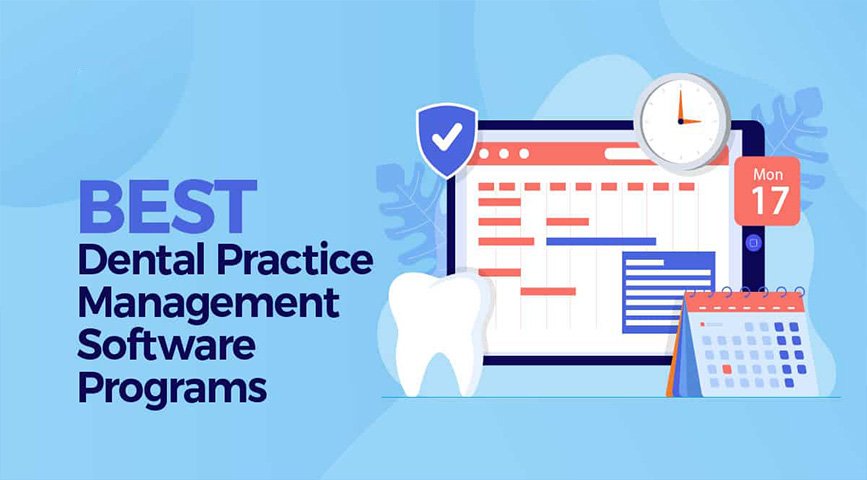
In the rapidly evolving world of dentistry, running a successful clinic is about more than just clinical excellence. It requires seamless administration, efficient workflows, and a superior patient experience. Gone are the days of bulky appointment ledgers and wall-to-wall filing cabinets. Today, the heart of a modern dental clinic is its Dental Practice Management Software (DPMS).
However, with hundreds of options available in the market, choosing the right software can be overwhelming. Some are too basic, while others are overly complex and expensive. How do you find the “Goldilocks” solution that fits your specific needs?
Whether you are opening a new practice or upgrading your current system, investing in the right technology is crucial for your bottom line. To help you make an informed decision, we have compiled the top 10 essential features you must look for in dental practice management software in 2025.
1. Smart Appointment Scheduling and Online Booking
The appointment book is the engine of your practice. If it isn’t running smoothly, your revenue stalls. Modern software needs to go beyond a simple digital calendar.
What to look for:
- Drag-and-Drop Interface: You should be able to move appointments easily without navigating through five different windows.
- Color-Coding: The system should allow you to color-code appointments by provider (dentist/hygienist) or treatment type (Root canal, scaling, consultation) for a quick visual overview.
- 24/7 Online Booking: We live in an era of instant gratification. Patients want to book appointments at 10 PM when your clinic is closed. A direct online booking integration for your website is a non-negotiable feature today.
Why it matters: Online booking can increase your new patient acquisition by up to 20% because you capture patients who are searching for dentists outside of standard business hours.
2. Advanced Charting and Electronic Health Records (EHR)
The core function of dental software is clinical management. The transition from paper charts to digital charting should improve accuracy, not complicate it.
What to look for:
- 3D/Graphical Tooth Charting: The software should offer a visual representation of the mouth. You should be able to click on a tooth and drag a treatment (like a crown or filling) directly onto it.
- Periodontal Charting: Look for voice-activated periodontal charting. This allows a hygienist to record pocket depths hands-free, significantly speeding up the process and reducing cross-contamination.
- Clinical Notes Templates: Typing the same notes repeatedly is a waste of time. Good software offers customizable templates and “macros” (shortcuts) for common procedures.
Why it matters: Visual charting isn’t just for you; it is a powerful communication tool. Showing a patient a 3D graphic of their decaying tooth is far more convincing than just explaining it verbally.
3. Automated Patient Reminders and Communication
No-shows and last-minute cancellations are the biggest “money leaks” in a dental practice. Your software should act as a tireless receptionist who never forgets to call a patient.
What to look for:
- Multi-Channel Support: The system should send reminders via SMS, Email, and WhatsApp.
- Two-Way Communication: Patients should be able to reply “C” to confirm or “R” to reschedule, and the software should automatically update the status in your appointment book.
- Recall System: It should automatically detect patients who haven’t visited in 6 months and send them a “Time for your check-up” message.
Why it matters: Automating confirmations can reduce your no-show rate by nearly 40%, ensuring your chair time is maximized and your front desk staff isn’t stuck on the phone all day.
4. Comprehensive Billing and Insurance Management
Getting paid shouldn’t be a hassle. The financial module of your software is critical for the cash flow of your business.
What to look for:
- Automated Invoicing: The moment a treatment is marked “complete” in the chart, the bill should be ready at the front desk.
- Insurance Eligibility Verification: Top-tier software integrates with insurance databases to check a patient’s eligibility and remaining benefits before they even sit in the chair.
- Payment Plans and Estimates: The ability to print a detailed treatment estimate that shows exactly what the insurance pays and what the patient pays (co-pay) is vital for transparency.
Why it matters: Financial ambiguity creates distrust. When you can provide accurate estimates and seamless billing, patients feel more comfortable proceeding with expensive treatments.
5. Seamless Digital Imaging Integration
In a modern clinic, X-rays and intraoral photos are part of the daily workflow. Using separate software for imaging and management is clumsy and inefficient.
What to look for:
- Direct Bridge: Your management software should “talk” to your X-ray sensors (RVG), OPG machines, and intraoral cameras.
- Side-by-Side Viewing: You should be able to view the patient’s X-ray right next to their charting history on the same screen without minimizing windows.
- Image Editing Tools: Basic tools like brightness, contrast, and zooming should be available within the management interface.
Why it matters: Centralizing patient data means you don’t have to switch between programs. It saves time during diagnosis and keeps all patient records in one secure location.
6. Treatment Planning and Case Acceptance Tools
Diagnosing a problem is one thing; getting the patient to say “Yes” to the treatment is another. Your software should be your sales assistant.
What to look for:
- Phased Treatment Plans: The ability to break down complex treatments into phases (e.g., Phase 1: Hygiene, Phase 2: Restorative, Phase 3: Cosmetic).
- Visual Presentations: Some software comes with built-in patient education videos or diagrams that explain procedures like implants or root canals.
- Prioritized Options: The ability to create “Good, Better, Best” treatment options with different price points.
Why it matters: High-value cases often require explanation. A professional, printed treatment plan with clear phases and costs looks authoritative and helps patients justify the investment in their oral health.
7. Robust Reporting and Analytics
You cannot improve what you cannot measure. To grow your clinic from a medical practice into a thriving business, you need data.
What to look for:
- Production vs. Collection Reports: Are you collecting what you are producing? This report highlights bad debts.
- Provider Performance: Track which dentist or hygienist is generating the most revenue.
- New Patient Sources: A report that tells you where your patients are coming from (Google, Referral, Social Media) so you know where to spend your marketing budget.
Why it matters: Analytics take the guesswork out of business. Instead of “feeling” like it’s a slow month, you can look at the data, identify the slump, and run a promotion to fix it.
8. Cloud-Based Accessibility (SaaS)
The debate between Server-based (on-premise) and Cloud-based software is largely over. The Cloud has won for most modern practices.
What to look for:
- Remote Access: As the owner, you should be able to check your schedule or revenue from your mobile phone while on vacation or from home.
- Automatic Updates: You shouldn’t have to pay an IT guy to install the latest version. Cloud software updates automatically.
- Data Backups: Ensure the provider performs automatic daily backups so you never lose data due to a computer crash.
Why it matters: Cloud-based software reduces your IT costs (no need for expensive servers) and gives you the freedom to manage your clinic from anywhere in the world.
9. Inventory and Stock Management
Dental materials are expensive. Running out of bonding agent in the middle of a procedure is a nightmare, and letting materials expire is wasted money.
What to look for:
- Stock Tracking: The system should deduct items from inventory as they are used or requested.
- Low Stock Alerts: You should receive a notification when critical supplies (like gloves or anesthesia) dip below a certain level.
- Expiry Tracking: Alerts for materials that are approaching their expiration date so you can use them first.
Why it matters: Efficient inventory management prevents over-ordering and theft, directly impacting your clinic’s overhead expenses.
10. Data Security and Compliance
In the digital age, data is the new gold, and protecting patient privacy is a legal obligation.
What to look for:
- Role-Based Access Control: Your receptionist should not have the same access rights as the head dentist. You should be able to restrict who sees financial data or deletes records.
- Audit Trails: The software should record every action. If a file is deleted or an appointment is changed, you should be able to see who did it and when.
- Compliance: Depending on your location, the software must be HIPAA compliant (USA), GDPR compliant (Europe), or adhere to your local country’s digital health data laws.
Why it matters: A data breach can destroy your clinic’s reputation and lead to heavy legal fines. Security is not a luxury; it is a necessity.
Conclusion: Making the Right Choice
Selecting a Dental Practice Management Software is a long-term commitment. It is the operating system of your business. When demoing potential software, don’t just look at the price tag. Consider the Return on Investment (ROI).
If a software costs slightly more but saves your staff 10 hours a week, reduces no-shows by 30%, and helps you close more treatment plans, it pays for itself many times over.
Final Tip: always ask for a free trial or a guided demo. Involve your front desk staff and your associate dentists in the decision-making process, as they are the ones who will use the system daily.
By prioritizing these 10 features, you will ensure that your practice is equipped not just to survive, but to thrive in the competitive landscape of modern dentistry.
46.9s
Use Arrow Up and Arrow Down to select a turn, Enter to jump to it, and Escape to